Software Product Discovery: How to Decide What to Build First
Software product discovery for founders: find the few features worth building first, with a scope, wireframes and release plan before you spend the budget.
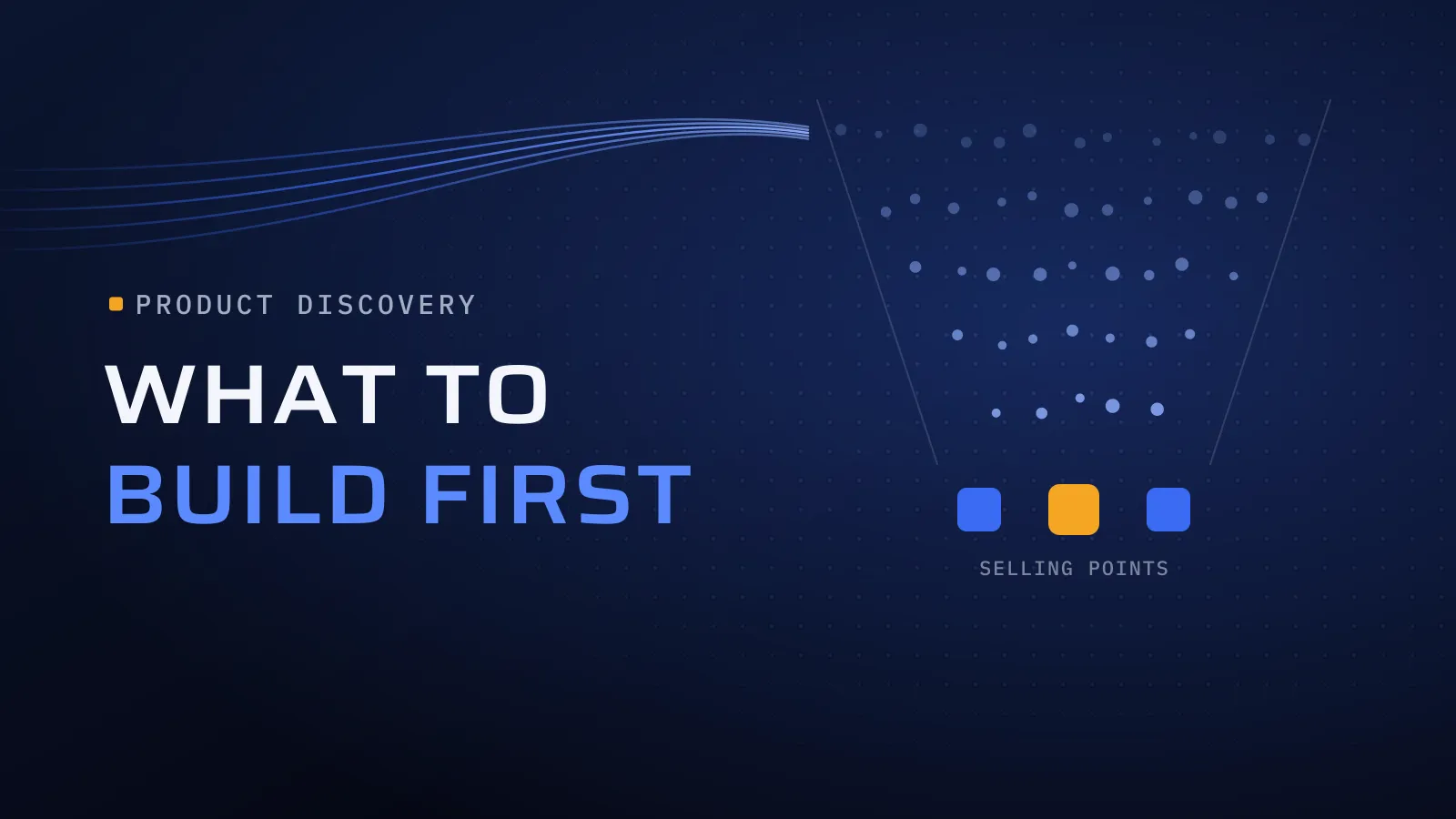
Software product discovery tells you what to build first, so your launch budget goes on the few features that give users a reason to switch, not on screens nobody needs. You launch sooner with a smaller first release, and you know what success looks like before anyone writes code.
What does software product discovery give you?
Discovery is a set of workshops before the build. It names your users and their one painful job, picks the two or three selling points worth building first, and turns them into a written scope, wireframes, the architecture and a dated release plan. You sign it off before any code is written, so your first release stays small. If you are choosing a team in the UAE to run it, our guide to software product discovery services in Dubai covers who runs it and what you leave with.
Have an idea you want to launch? Talk to us about your MVP →
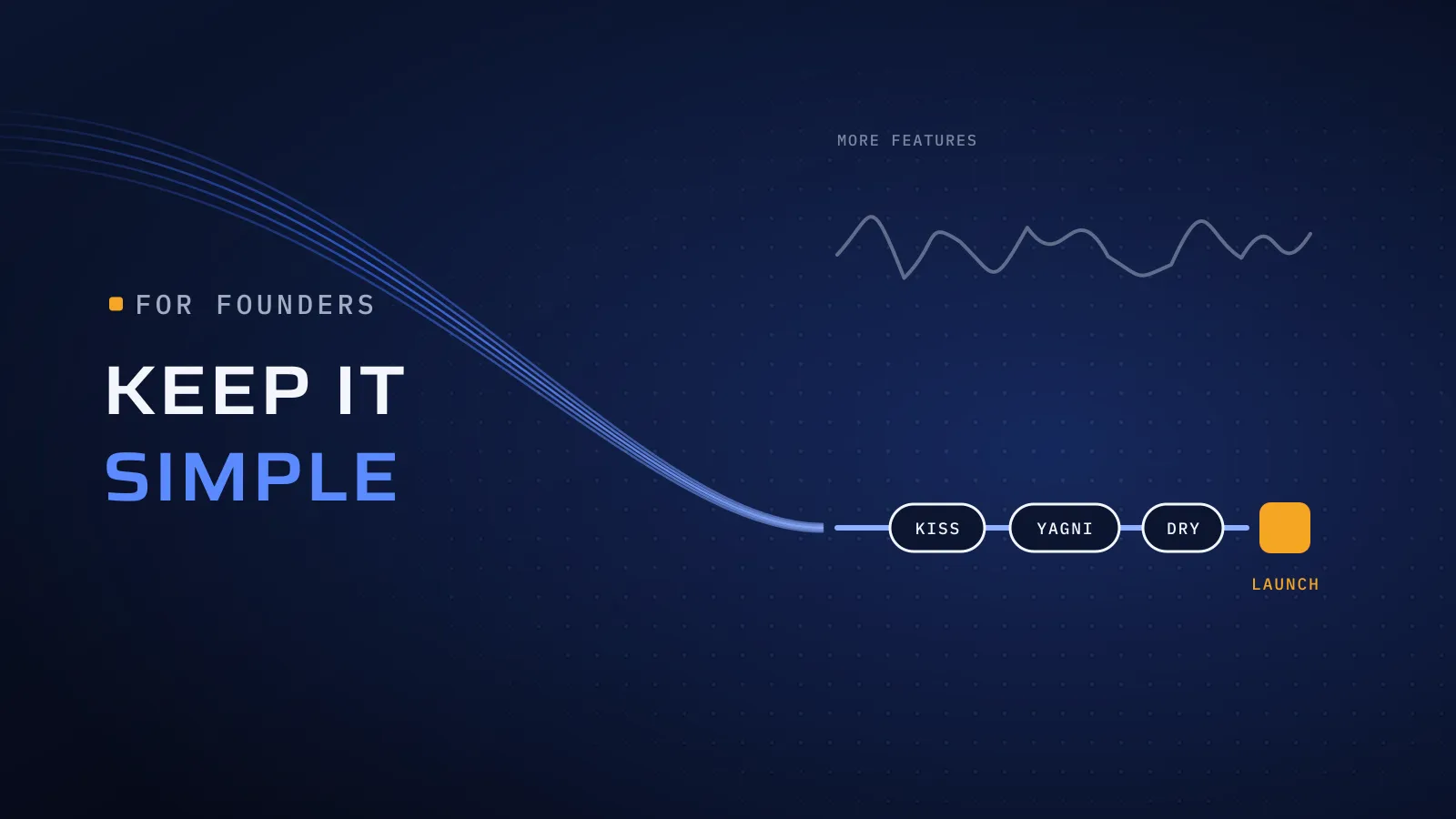
Every feature in a first release has to be designed, built, tested and maintained, so each one you add moves the launch and spends runway, as our breakdown of what an MVP costs in Dubai shows. A product can ship on time and on budget and still go unused, because it gives nobody a reason to leave what they use today: a competitor’s app, a phone call, a WhatsApp group or a spreadsheet. Discovery is the cheapest place to find that out. Still choosing which idea to take into it? App ideas with real demand in the Gulf sets out twelve, with who pays in each.
How we find what to build first
- Name the users. There is usually more than one group. A marketplace has buyers, sellers and admins; a booking app has customers, providers and the business that runs it. Each group needs its own reason to take part.
- Find each group’s one painful job. What do they do today, step by step, and where does it hurt? One job per group. A list of ten problems means the product isn’t focused yet.
- Look at what they use today. That is your real competition. Your product has to beat it on something users care about, not just look newer.
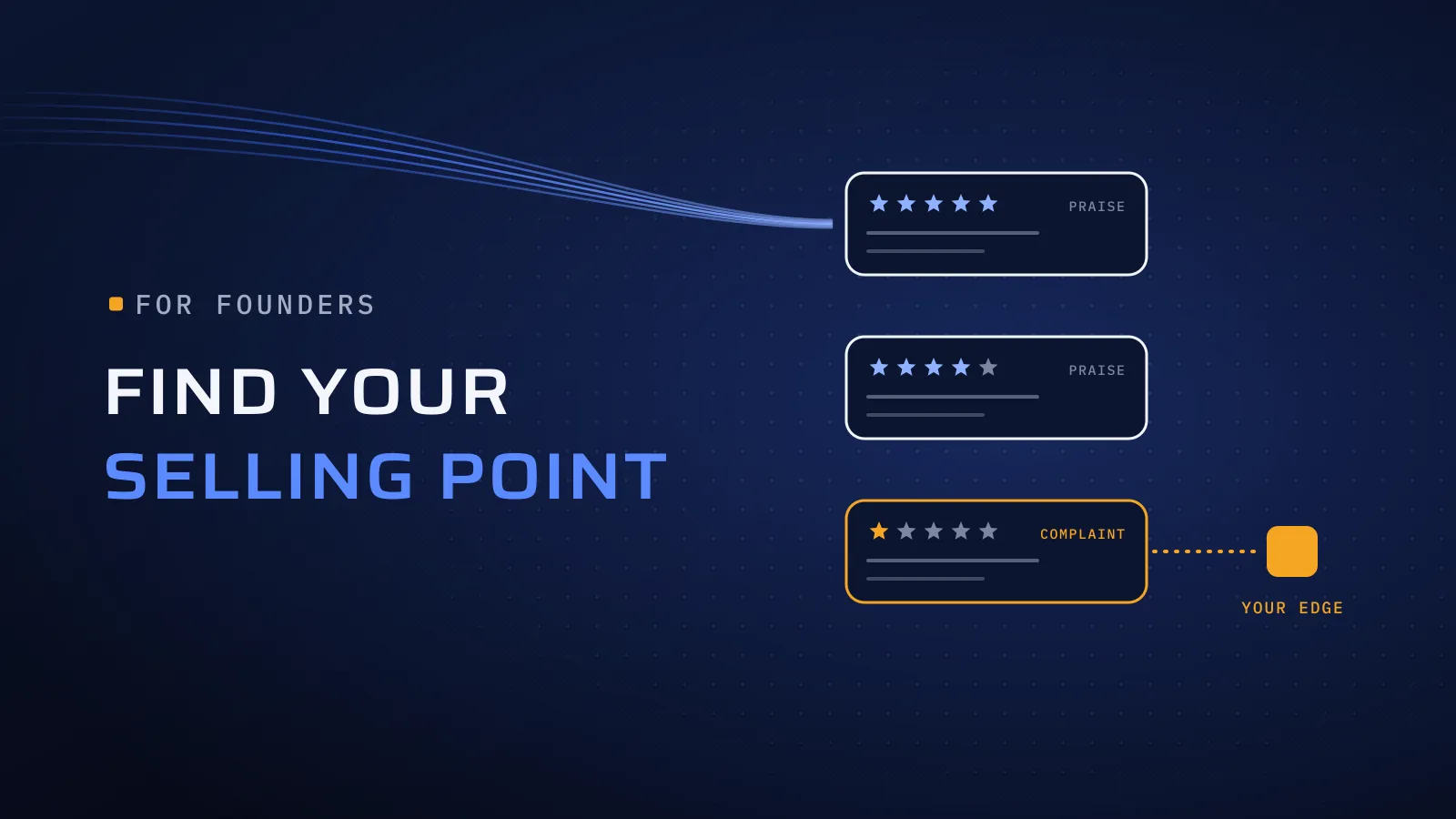
- Pick two or three selling points. Each one passes three tests: a user would say it out loud (“I reorder last week’s basket in one tap” passes, “a modern interface” doesn’t), the current way falls short at it, and you can count it after launch. Login, profiles and settings are needed, but they aren’t selling points.
- Turn them into a plan. A scope in three lists (first release, later, not doing), wireframes of the main journeys from our UI/UX and product design team, the architecture and a dated release plan.
Technology follows the selling points. If a selling point happens on the spot and needs the camera, the location or a scanned code, it needs a mobile app for iOS and Android. Desk work with long forms and reports suits a web app, and many products need both. One codebase in Flutter or React Native suits most first releases; native Swift and Kotlin earn their extra cost when a selling point depends on the newest device features. And buy what is standard, build what makes you different: for UAE clients we implement Odoo for accounts and stock, and build custom software where your own workflows set you apart.
The discovery-outputs checklist
Whoever runs your discovery, you should have these in writing before the build starts. If one is missing, ask for it. It is cheaper to settle on paper than in code.
| Output | What it should tell you | Why it protects your launch |
|---|---|---|
| Users and their one painful job | Each user group, and the one job it does today, in plain words | Keeps the first release about people, not features |
| The current way | How each group does the job today: an app, a call, WhatsApp or a spreadsheet | Shows what your product has to beat |
| Two or three selling points, ranked | One sentence each, the way a user would repeat it to a friend | Tells the team where quality matters most |
| A scope in three lists | First release, later and not doing | The “not doing” list stops extra requests from moving the launch |
| Success measures | One or two numbers per selling point, read every week after launch | You learn whether it works, not just whether it shipped |
| Wireframes | The main journeys, tried with real users where possible | Design questions are settled before they cost build time |
| Architecture, stack and data model | The technical choices, explained in plain terms | Choices that are expensive to reverse are made on purpose |
| A dated release plan | What ships when, with the selling points in the first release | You can plan your launch and your investor updates around it |
Not sure what your first release should be?
Tell us who your users are and what they use today. We reply with the selling points we would test first and what a first release could cover.
Not ready for a call? Ask for our company profile.
How discovery runs on our projects
With several user groups, discovery names each one’s reason to take part before any screen is designed. Each group’s part of the product then carries only what its users need for launch, and the rest waits for a later release.
Two of our principles carry discovery on our projects:
- Product thinking. We solve business problems, not only deliver features, so every feature in the first release has to serve a selling point.
- UI/UX focus. User experience is considered from the beginning, so the main journeys are wireframed and tried before they are built.
A Product Owner, a Project Manager and CTO oversight join the workshops from the start, and independent QA lists the awkward cases while the scope is still on paper.
How you’ll know the selling points work
Discovery gives you a hypothesis, and real users test it. In the first weeks after launch, check four things: that the product works, whether each selling point is used, where people stop in the main journey, and whether the other side, such as sellers or providers, is staying. Deepen what is used and liked, fix what is used but frustrating, and ask users why when something is ignored. Support and updates carry on after launch, and the build itself follows our software delivery process.
Since 2014 we have built software for more than 100 clients in the UAE, Saudi Arabia, Qatar, Kuwait, the USA and Canada. Our headquarters is at Dubai Digital Park in Dubai Silicon Oasis, and our other offices are in Houston and Alexandria. Qargo is a car rental and ride-hailing platform in Qatar. Talk to the team that built it: book a meeting.
Have an idea and want to know what to build first? Talk to us about your MVP. We ask about your goal, what you use today, your timing and who else should be involved. You leave with clear next steps. We reply by email first and set up a call only if you want one. Asking commits you to nothing, and we sign an NDA first if you ask.
Frequently asked questions
How long does discovery take, and what does it cost?
Both are agreed in your proposal before it starts, and they follow mainly from how many user groups and integrations your product has. Whatever you decide next, you have the written outputs in hand: the scope, the wireframes, the architecture and the release plan.
What if discovery shows my idea isn't ready to build?
Then you have learned it for the price of a few workshops, not a full build. More often the answer is a narrower first release: one user group and one job, done well, with the rest on the later list. That is usually a faster route to launch, not a dead end.
How much of my time does discovery need?
A founder or product lead who can make decisions in the workshops, and a few real users to talk to if you have them. We prepare the questions, run the sessions and write everything up for you to sign off.
Should my first release be a mobile app or a web app?
Follow the selling point. If it happens on the spot and needs the camera, the location or a scanned code, start with a mobile app. Desk work with long forms and reports suits the web. Many products need both: an app for the people on the move and a web dashboard for the people at a desk.
Is my idea safe if I share it in discovery?
Yes. We sign an NDA before you share the details, if you want one, and ownership of the work is written into your contract.
Can you build the MVP after discovery?
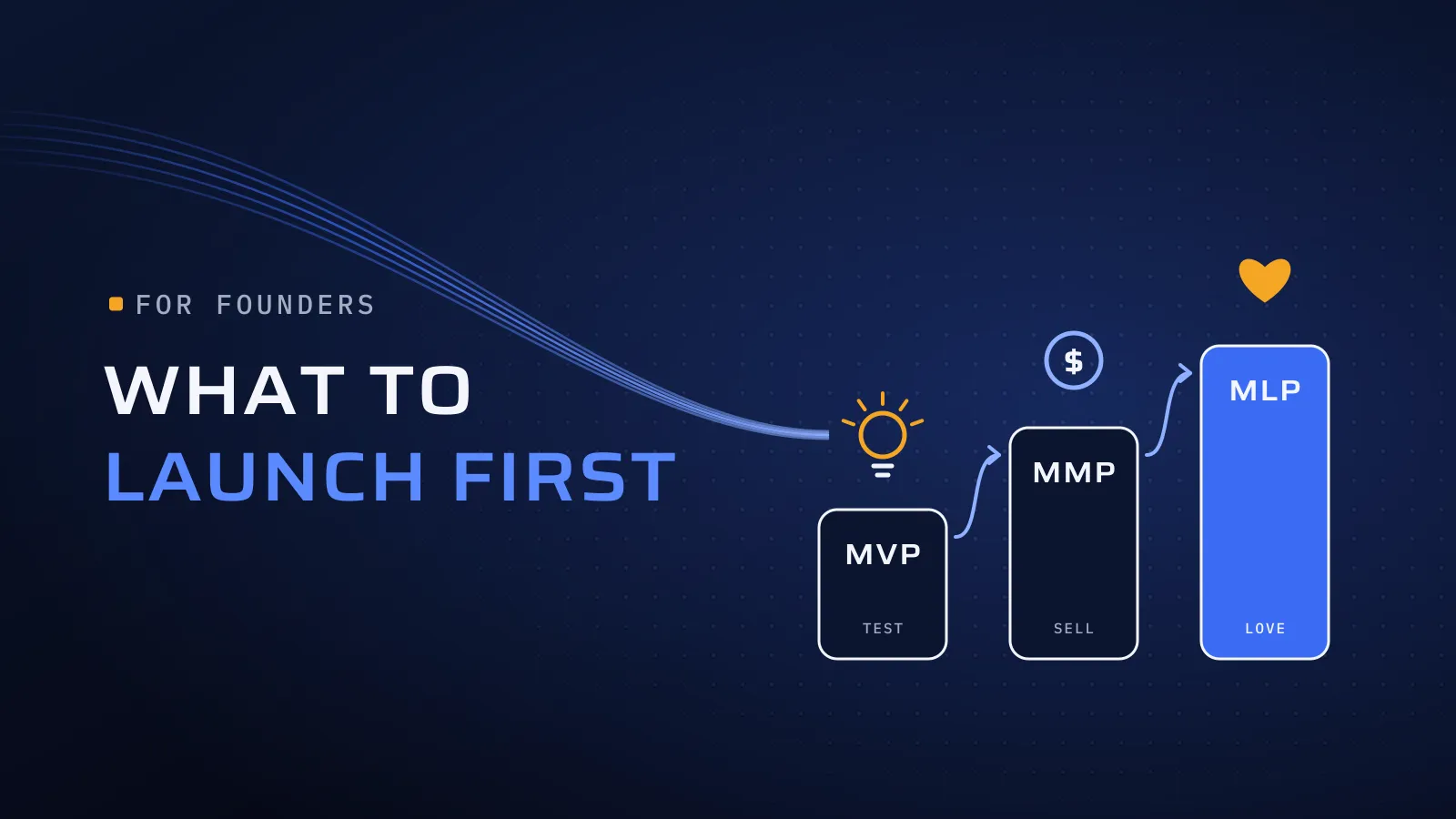
Yes. The build can follow as project delivery, with CTO oversight on an architecture that can grow and the release plan from discovery as its starting point. If you would rather build your own product team, a dedicated team recruited for you can take it on.