Enterprise Software Delivery Governance: Fewer Production Issues, No Surprises
Software delivery governance for enterprise projects: the release gates, reporting and independent QA that give you fewer production issues and no surprises.
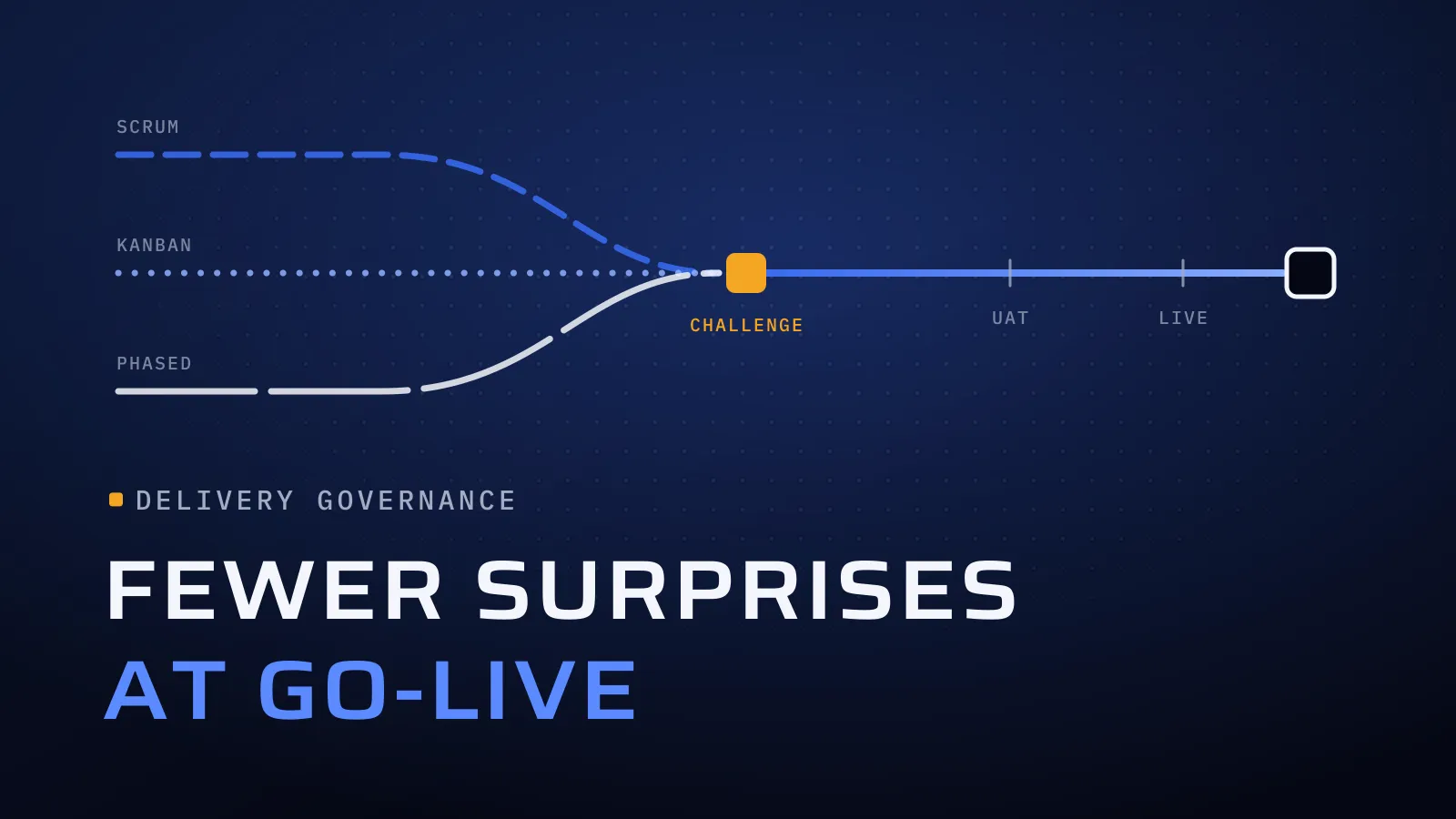
Good software delivery governance on an enterprise project means fewer production issues and no surprises. You see working software every cycle, every change has a price and a date before you approve it, and nothing goes live without passing the gates you agreed. Get it right and UAT confirms what your team has already seen, go-live keeps its date, and most problems are caught before your users meet them.
What is software delivery governance?
It is the set of rules you agree with your vendor before the build: how milestones are accepted, how scope changes, what “done” means, who tests the work, what must pass before each release, and how you’re kept informed. Written into the statement of work, these rules give you fewer production issues and no surprises at go-live.
Planning a programme, or did your last UAT round go badly? Book a discovery call →
Without these rules, UAT is often the first time your business users see working software. Requirements nobody pinned down, such as what happens when an approver is on leave or the ERP is offline at month-end, arrive as defects. Go-live moves, the steering committee asks why, and your IT team inherits the fixes. Most of this is decided before the first line of code, which is when governance costs least.
How does good delivery governance work?
- Phased outside, iterative inside. Keep the contract’s scope, price, milestones and formal acceptance, and run short iterations inside each phase. Each milestone is accepted on working software in staging, not on a document.
- Every change is priced before it’s approved. A written change request states its impact on cost, dates and risk. Our project manager assesses it, your named owner approves it, and the contract and backlog are updated together.
- The team questions the brief early. Before a story enters a sprint, your subject-matter expert, a developer and a tester ask “what happens when…?”. Each answer becomes an acceptance criterion a tester can check: given a request waiting for approval, when the approver is on leave, then it moves to their named delegate and both are notified. Your business still makes the call.
- QA is independent and starts in planning. Testers join sprint planning, automated tests run before every merge, and UAT scripts are written with your users.
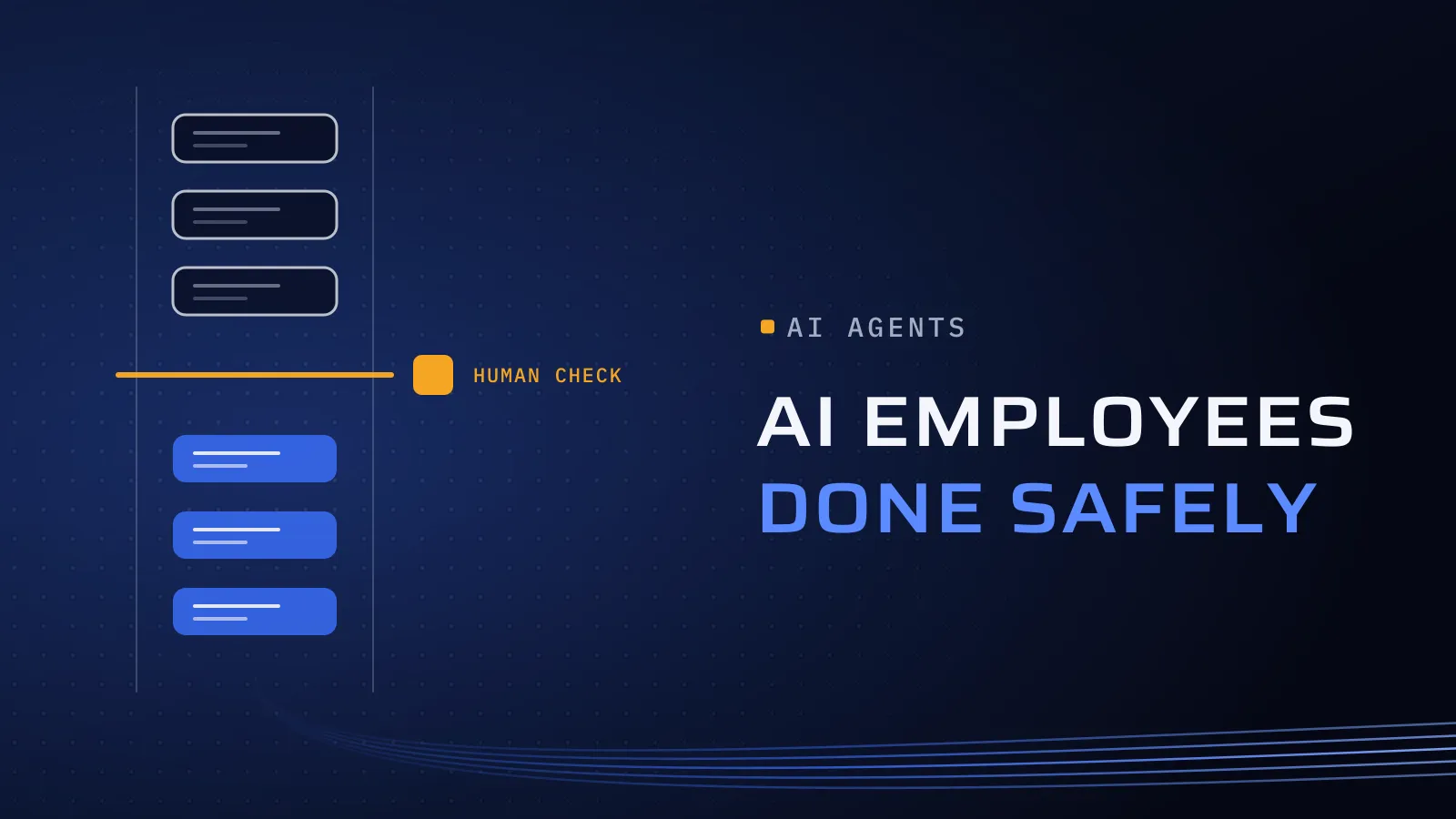
- Releases pass agreed gates. Small releases, a signed checklist and a tested rollback plan, as in the table below.
Ask who will write the code, by name and seniority. A junior or mixed team can deliver well with more structure: acceptance criteria on every story, shorter iterations and tech lead review of every merge. A senior team can run leaner, but it still writes acceptance criteria and still has independent QA.
The release gates to agree with your vendor
Take this table to your next vendor meeting and put it in the statement of work. Each gate catches a different kind of problem. Skip one, and its defects arrive later, where they cost more to fix.
| Gate | What must be true | What it prevents |
|---|---|---|
| Before the sprint | Definition of ready: acceptance criteria, designs and open questions settled | Half-understood work starting |
| Every merge | Automated tests pass in CI, and someone other than the author reviews the code | New code breaking features that already worked |
| Every story | Definition of done: reviewed, tested, merged and on staging | “Done” that isn’t |
| Before UAT | Staging mirrors production, with your SSO and integrations in test mode | “It worked in test, then broke live” |
| UAT | Scripts written with your business users, signed off by your UAT lead | Flows nobody checked |
| Release | A small release, a checklist signed by your change owner and a tested rollback plan | Not knowing which change broke what |
| After release | Monitoring, with a named person watching | Users finding problems first |
| After an incident | A blameless review shared with you, and a fix to the process | The same issue twice |
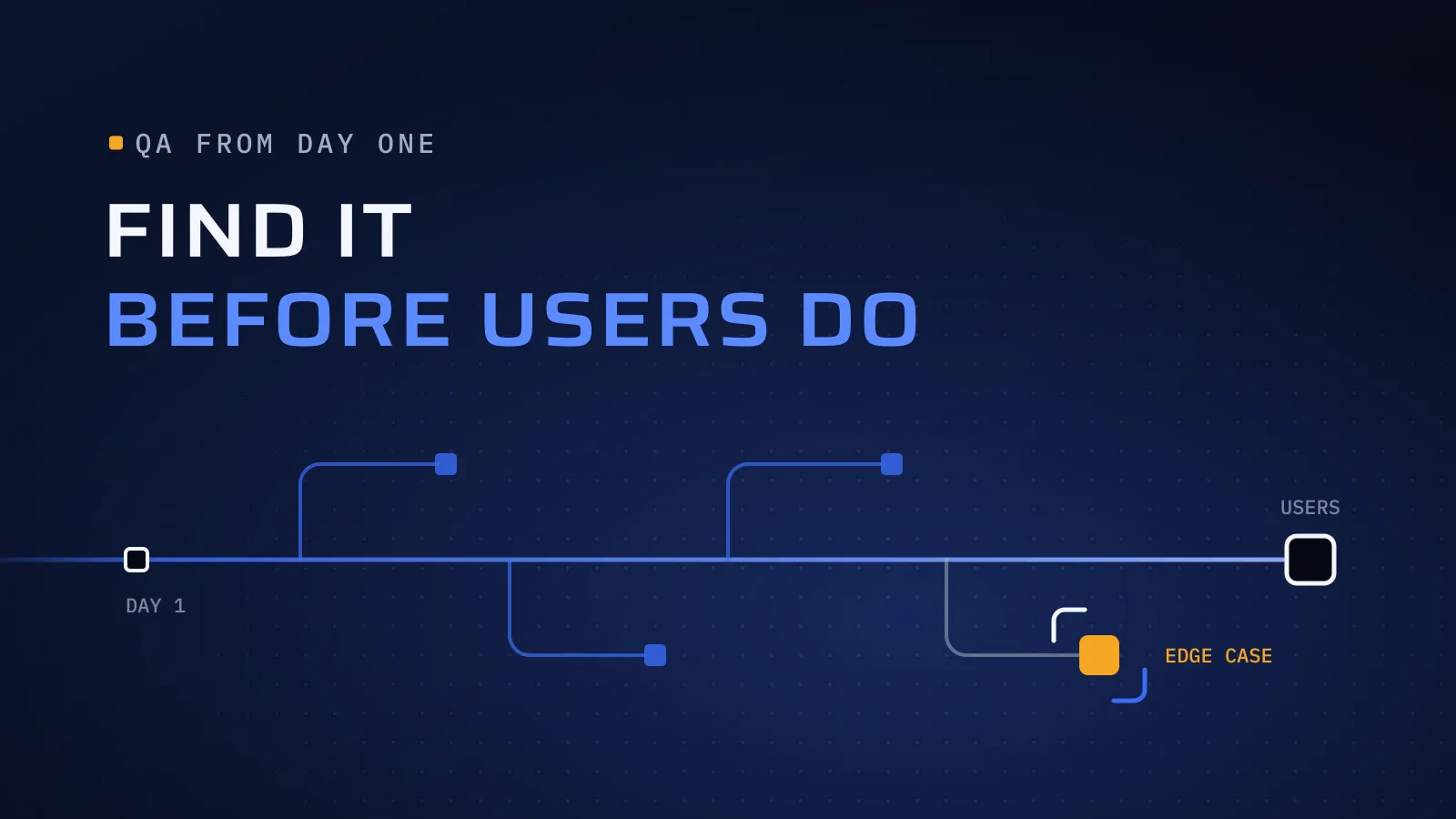
No honest vendor promises zero defects. Real users, production data and third-party systems always find something new. What these gates give you is fewer surprises, found earlier and fixed faster, with a tested way back. Our article on QA from day one covers what to automate.
Book a discovery call
Send us your contract model, your release calendar and what went wrong last time, if anything did. We reply with how we would run your project inside it: the phases, the gates and the reporting you’d see.
Book a discovery call → · Not ready for a call? Ask for our company profile and we’ll send it to you.
How Flojics runs enterprise delivery
We agree the approach with you before the build, inside your procurement and contract model. When a contract fixes the scope, we keep its phases and milestones and run iterations inside them. Two of our principles carry the rest:
- Transparent delivery. Clear milestones, reporting and communication: a dated release plan, a build to review every iteration and issues raised early in a written report.
- Independent QA. A dedicated testing and quality assurance process, so the person testing the work did not write it, and testers join from planning.
Each of our delivery roles has a named counterpart on your side: our project manager with your PMO lead, our CTO as a Service with your enterprise architect, our tech lead with your integration lead, and our QA with your UAT lead. Staging and test environments use test data by default. We design for UAE PDPL, Saudi PDPL and PIPEDA, and agree data rules with you before access.
The questions that matter are often specific to the system. On Al-Mawared ERP, the web-based ERP we built for exchange companies across MENA, with real-time multi-currency exchange and many branches, the questions worth asking early include: what happens when the rate changes between quote and confirmation, or when a branch loses its connection mid-transaction? Answered in refinement, they become tests. Left until UAT, they become change requests.
Adding engineers to your own team instead? Then your process leads; see dedicated development teams for enterprises. We have delivered software since 2014 for more than 100 clients in the UAE, Saudi Arabia, Qatar, Kuwait, the USA and Canada.
Want the next release to go live without surprises? Book a discovery call. We ask about your goal, what you use today, your timing and who else should be involved. You leave with clear next steps. The call commits you to nothing, and we sign an NDA first if you want one.
Frequently asked questions
Does delivery governance slow a project down?
It moves some effort to the start: refinement sessions, acceptance criteria and test planning, with your experts available for them. That time comes back in UAT, because fewer defects turn out to be 'that's not what we meant', and go-live keeps its date.
Can Agile work inside a fixed-scope tender or phased contract?
Yes. Keep the contract's scope, price, milestones and formal acceptance, and run iterations inside each phase. Your team sees working software every cycle, so acceptance at each milestone holds no surprises.
How do change requests affect cost?
Every change arrives as a written request with its impact on cost and dates before any work starts. Your named owner approves or declines it, and the contract and backlog are updated together, so the budget only moves when you decide it should.
Who decides when a release goes live?
You do. Your UAT lead signs off UAT and your change owner signs the release checklist. We bring the evidence: test results, a demo on a staging environment that mirrors production, and a rollback plan tested before release day.
How is our data handled during testing?
Staging and test environments use test data by default, and production personal data stays in your environment. Access goes through named accounts with your MFA, logged and limited to what each role needs, and we sign an NDA before any access.
What if a problem still reaches production?
Some will: real users and third-party systems always find something new, and no honest vendor promises zero defects. Small releases show which change caused it, the tested rollback plan gets you back to a working version, and a blameless review shared with you fixes the process so the same issue doesn't happen twice.