Mobile App Development Company in Dubai, UAE
Mobile app development that gets a focused first version into the App Store and Google Play, then grows it release by release into an app your customers keep using. Projects are led from Dubai, and our app developers build for iOS and Android in Flutter or React Native, or natively in Swift and Kotlin, with the backend and admin tools behind the app.
One team from concept to store release.
- Concept and roadmap
- Idea, audience, features and a release plan, agreed before design starts.
- UI/UX design and prototypes
- Interface design and interactive prototypes you can try before development.
- iOS and Android apps
- One codebase in Flutter or React Native, or separate native apps in Swift and Kotlin.
- Backend and APIs
- The servers, APIs and admin tools the app depends on, with security in focus.
- Testing and store submission
- Beta testing and QA, then submission to the App Store and Google Play.
- Updates after launch
- New releases and improvements as your users and business grow.
Cross-platform or native, chosen per app.
We build both, so the recommendation follows what your app needs.
Built for HUQOUQ, Qargo, Spoiled and Zidly.
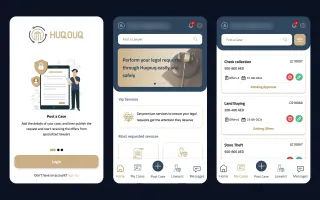
HUQOUQ
Legal servicesFlojics Technology built HUQOUQ, a UAE legal services app that connects clients with qualified lawyers who submit tailored offers on posted cases.
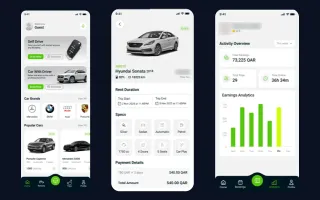
Qargo
Mobility & car rentalFlojics Technology built Qargo, a mobility platform with a self-drive rental app, a ride-hailing driver app, and dashboards for admins and business partners.
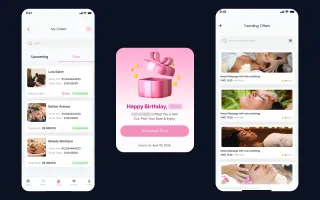
Spoiled
Beauty & personal careFlojics Technology built Spoiled, an app for booking trained beauty specialists at home for hair, skincare, makeup and nails, with a shop for beauty products.
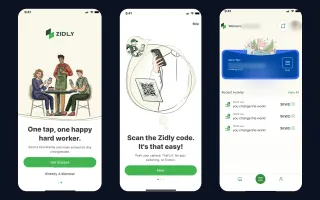
Zidly
Tipping & donationsFlojics Technology built Zidly, a QR code tipping and donation app where customers choose who to support and recipients track and share what they receive.
Questions before a first call.
How much does it cost to build an app in Dubai?
Your price is agreed in your proposal, once the first release is scoped. Four things drive it: the screens and user roles, payments, the systems the app connects to, and whether it is cross-platform or native. Our Dubai cost guide shows how each one moves the price.
How long until our app is in the App Store and Google Play?
We agree the first release and a dated plan before design starts, so you know the launch date early. A focused first version, with more features in later releases, reaches the stores sooner. Beta testing and store review are part of the plan.
Who will we work with day to day?
A project manager owns the dates and is your day-to-day contact, and a product owner owns what gets built and in what order. A CTO-level lead signs off the architecture, and QA tests apart from the developers. You approve the designs.
Can the app work in Arabic and English?
Yes. Our Arabic-native designers lay out both languages from the first wireframe, including right-to-left screens, numerals and mixed-language text, so users can switch between Arabic and English.
Have you built apps for companies in the UAE and the GCC?
Yes. HUQOUQ is a UAE legal services app that connects clients with qualified lawyers. In the GCC we built Qargo in Qatar, Spoiled and Zidly in Kuwait, and Massart in Saudi Arabia.
What happens after the app is launched?
We keep releasing updates and improvements as your users and business grow, and fix issues as they come up. Each release is tested before it reaches the stores, and the support you get after launch is written into your proposal.